
Fogangs
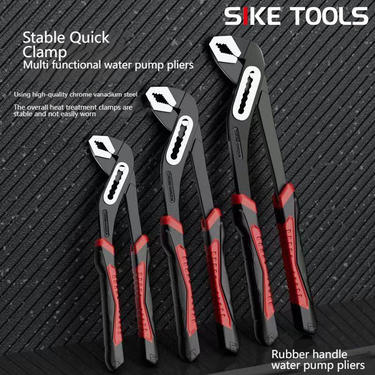
Adjustable Water Pump Pliers 7-Position 8" 10" 12" For Home Plumbing, Bathroom, And Pipe Fittings - High Carbon Steel Jaw

5 collu fiksējošās knaibles, adatas priekšgala knaibles, fiksācijas gredzena knaibles, noņemšanai, uzstādot novilcēju bloķēšanas gredzenu vārpstas

Automašīnu eļļas šļūtenes presēšanas knaibles remonta rīki Suports Vise Caurules skava Apkakles Klips Auto remonts Motociklu Automobiļu piederumi

Gofrēšanas kabeļa griezējs regulējams automātisks vadu noņēmējs Daudzfunkcionāls atdalīšanas gofrēšanas knaibles spailes rokas rīks

4 vienā siksnas knaibles/siksnas knaibles Sviru knaibles Dzeltenas knaibles Taisnas Ārpus Taisnas Iekšpusē Taisnas Ārpus Izliektas Iekšpusē Izliektas

Universāls stiepļu griezējs Diagonālās knaibles Gofrēšanas knaibles Adatas Priekšgala knaibles Daudzfunkcionālas aparatūras rokas instrumenti

Kombinēti fiksējošie spaiļu knaibles Stingras, viegli pārnēsājamas fiksējošās knaibles, daudzfunkcionālu vieglu instrumentu komplekts

1 komplekts 1/4 collas cilpu knaibles komplekts, cilpveida caurumošanas knaibles ar 100 metāla cilpām, instrumentu komplekts ādas audumam
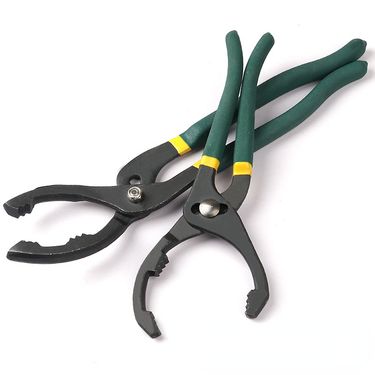
10/12 collu eļļas filtra knaibles Regulējamas uzgriežņu atslēgas noņemšanas rīks Oglekļa tērauda knaibles Universālie sadzīves instrumenti

10 in 1 nospiešanas presēšanas knaibles Stiepļu noņēmējs Daudzfunkcionāls gredzens gofrētājs Elektriķis Tīkla kabeļa nolobīšanas instrumenti

8 Inch 12 Inch Pipe Wrench Universal Pipe Wrench Multifunctional Quick Plumbing Water Pipe Wrench Combination Wrench Tool

5 collu bloķēšanas knaibles Bloķēšanas knaibles Izliektas žokļa knaibles Taisnas garas knaibles Daudzfunkcionāli metināšanas instrumenti

Ūdens sūkņa knaibles Ātri atvienojamas santehnikas knaibles Cauruļu uzgriežņu atslēga Regulējama ūdensvada skavas knaibles Mājsaimniecības rokas instrumenti Daudzfunkcijas
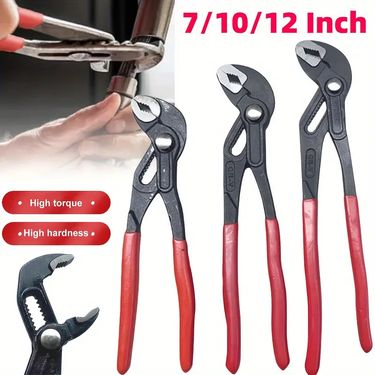
7"/10"/12" Large Opening Universal Wrench Multifunctional Adjustable Quick-Release Water Pipe Clamp Pliers Household Hand Tools

8/7 vienā vadu noņemšanas knaibles Daudzfunkciju elektriķis Kabeļu griezējs Noņēmējs Griešanas sadalīšanas tinumu remonta instrumenti

Automašīnu knaibles noņemšanas rīki ūdens caurules šļūtenēm plakanās joslas gredzena cauruļu skavas, remonta komplekts Motociklu kravas automašīnu piekabēm Automašīnu piederumi

Automašīnas izplūdes caurule C skavas noņemšanas knaibles izkliedēšanas knaibles Retrofit nojaukšanas knaibles Auto speciālais remonta rīks

Professional Multi-Function Wire Stripper - Carbon Steel Blade, Crimping & Cutting Tool For Electricians & DIY Enthusiasts

5 collu C skavas dažādi bloķēšanas metināšanas skavas Mini sakausējuma bloķēšanas knaibles DIY roku remonta instrumentiem koka apstrādei

Automašīnas eļļas caurules speciālie knaibles Ātrais savienotājs Demontāžas Degvielas padeves caurules skava Benzīna caurules savienojuma piederumi Suports Automašīnas remonta rīks
Pliers: The Tool You Grab When Things Shouldn’t Move
You usually don’t plan to use pliers. You reach for them when something slips, twists, won’t hold, or can’t be turned by hand. That might be a wire that needs bending, a clip that needs removing, or a part that must stay still while you work on it.
Pliers are not about speed or power. They are about control—especially in situations where fingers are not enough and wrenches are too blunt.
Typical Problems That Call for Pliers
Most users pick up pliers when dealing with one of these situations:
- A small part needs to be held firmly without rotating
- A wire needs to be bent, twisted, or pulled into position
- A clip or ring needs to be removed without damaging nearby parts
- A component must stay aligned while another tool is used
If your first thought is “this keeps slipping” or “I need a better grip,” pliers are usually the right category.
Snap Ring Pliers: When Removal Needs Control, Not Force
Retaining rings are designed to hold components in place under stress. Removing them incorrectly often leads to warped rings, scratched housings, or lost parts.
Snap ring pliers are made specifically for installing and removing these rings by expanding or compressing them evenly. Using regular pliers here is a common mistake—it increases the chance of slipping and damaging the ring or the surrounding assembly.
You typically use snap ring pliers in mechanical repairs, gear systems, or any assembly where components are secured internally rather than with fasteners.
Slip Joint Pliers: Flexible, but Not for Everything
Slip joint pliers are often the first pliers people own because they adjust to different sizes. They’re useful for gripping, holding, or turning objects when exact sizing isn’t critical.
They work well for light-duty tasks, quick fixes, and irregular shapes. However, they are not ideal for high torque or precision work. Overusing slip joint pliers for tasks they’re not suited for often leads to rounded edges or hand fatigue.
Think of them as a general helper, not a solution for every problem.
Lineman Pliers: Built for Repeated Stress
If your work involves thicker wire, tougher materials, or repeated twisting and cutting, lineman pliers are the tool designed for that load.
They are heavier and more robust than general-purpose pliers, with jaws designed to grip firmly and cut cleanly. These are commonly used in electrical work, construction, and maintenance tasks where durability matters more than compact size.
When force and reliability matter, lineman pliers are usually the safer choice.
Using Pliers Alongside Other Tools
Pliers rarely work alone. They often support other tools rather than replace them. For example, you might hold a part steady with pliers while checking alignment or dimensions with measuring tools before making adjustments.
They are also part of a broader hand tools category, which includes knives, screwdrivers, wrenches, and chisels. Each of these tools handles force differently: cutting, turning, striking, or holding. Pliers fill the “holding and controlling” role within that system.
Understanding this role helps avoid misusing tools for tasks they weren’t designed for.
Common Mistakes Users Make with Pliers
A few patterns show up again and again:
- Using adjustable pliers when a fixed or specialized design is needed
- Applying excessive force instead of choosing the right jaw shape
- Using pliers as a substitute for a wrench or cutter
These mistakes don’t usually cause immediate failure, but they do lead to damaged parts and unnecessary strain.
Storage and Access Matter More Than You Think
Because pliers are used reactively, access matters. If they’re buried at the bottom of a box, users often grab the wrong tool instead.
Using tool organizers helps keep different types of pliers visible and accessible, reducing misuse and saving time during tasks. This is especially important in shared or multi-tool environments.
Choosing Pliers Based on Use, Not Labels
The most useful way to choose pliers is not by name, but by task. Pliers are simple tools, but using the right type makes work smoother, safer, and more predictable.
 4.4 no 5, pamatojoties uz 9,249 atsauksmēm